5 Essential Steps to Understand Amazonian Mushroom
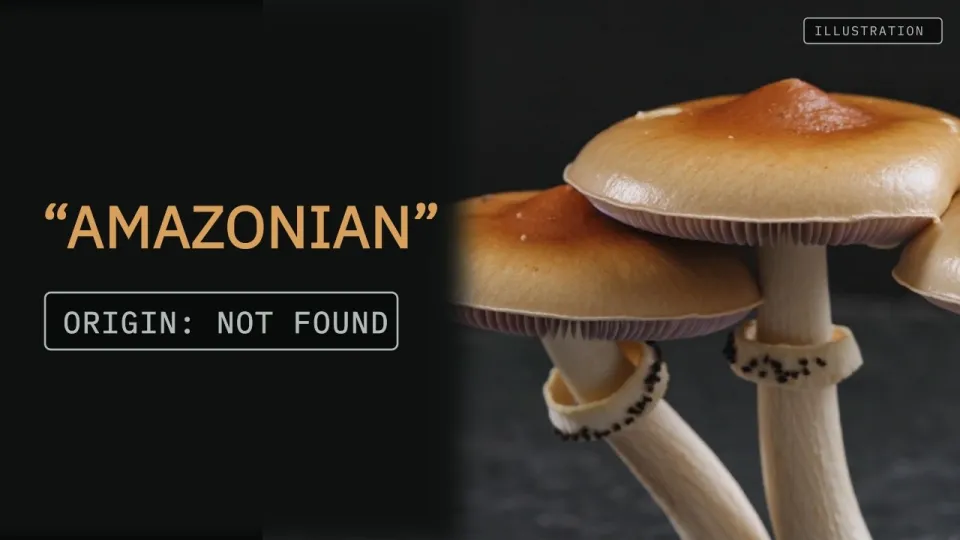
Video: Amazonian Mushroom: Following the Paper Trail Behind the Name
· based on the channel Shroomverse
The Amazonian mushroom is a term often used to describe a group of psilocybin-containing fungi native to the Amazon rainforest. Understanding what the Amazonian mushroom truly refers to involves exploring its taxonomy, scientific history, and cultural significance. This article unfolds five essential steps to grasp the complex identity behind the name Amazonian mushroom.
1. Clarify the Taxonomy and Species Identity
The first step to understanding the Amazonian mushroom is clarifying which species the term covers. Multiple psilocybin mushrooms grow in the Amazon region, but the name often refers to Psilocybe cubensis variants found there. However, confusion arises because various researchers and indigenous groups have used different names or synonyms for these fungi. Tracing the correct taxonomic classification requires consulting scientific papers that document the species descriptions and name changes over time 03:15.
2. Follow the Paper Trail of Scientific Naming
The Amazonian mushroom’s name has a complex history in mycology literature. Various papers published over decades have proposed synonyms, reclassified species, or corrected earlier misidentifications. For example, the mushroom initially described under one species name might later be reclassified as a subspecies or synonym of another. Understanding these changes involves reviewing mycological journals and taxonomic revisions that cite the original collections and descriptions 07:40.
3. Explore Indigenous and Ethnomycological Contexts
Indigenous Amazonian cultures have used psilocybin mushrooms for spiritual and healing purposes for centuries. These cultural practices contribute to the mushroom’s identity beyond scientific naming. Ethnomycologists study these traditions to appreciate how local names and uses influence the classification and understanding of the Amazonian mushroom. Recognizing this cultural layer enriches the scientific perspective and helps avoid purely Western taxonomic interpretations 12:05.
4. Examine Morphological and Genetic Studies
Modern methods like DNA sequencing have helped clarify the relationships between Amazonian psilocybin mushrooms and related species worldwide. Morphological features such as cap shape, spore size, and coloration are combined with genetic data to confirm species boundaries. These studies have led to more precise identification and distinction of Amazonian mushrooms from similar species in other regions 15:50.
5. Understand the Current Scientific and Legal Status
The final step involves awareness of the current scientific consensus and legal aspects surrounding Amazonian mushrooms. While scientific research continues to refine their taxonomy and potential therapeutic uses, legal restrictions vary by country. Knowing these details is essential for researchers, ethnomycologists, and enthusiasts engaging with Amazonian mushrooms responsibly 20:30.
Conclusion
The Amazonian mushroom is a term loaded with scientific, cultural, and legal complexity. By following the taxonomy, scientific literature, indigenous contexts, morphological and genetic research, and current status, one can accurately understand what the Amazonian mushroom truly represents. This comprehensive approach is crucial for correct identification and appreciation of these fascinating fungi. The channel Shroomverse provides an in-depth analysis and valuable insights into this topic, guiding viewers through the intricate paper trail behind the name.
Sources: Shroomverse, "Amazonian Mushroom: Following the Paper Trail Behind the Name" https://www.youtube.com/watch?v=9cDMicmFC_g
Key takeaways
- Amazonian mushroom refers to specific psilocybin fungi native to the Amazon rainforest.
- Its classification has been historically confused due to multiple name changes and synonyms.
- Scientific literature tracks the mushroom’s naming through a complex paper trail.
- Cultural use of the mushroom includes indigenous rituals and recent ethnomycological interest.
- Accurate identification requires understanding taxonomy, history, and regional data.
Questions & answers
What species does the term Amazonian mushroom usually refer to?
It typically refers to psilocybin mushrooms native to the Amazon, often variants of Psilocybe cubensis, though taxonomy can vary.
Why is the scientific naming of Amazonian mushroom complicated?
Because different researchers have used various names and synonyms over time, leading to a complex paper trail of reclassifications and corrections.
How do indigenous practices influence the understanding of Amazonian mushrooms?
Indigenous use for spiritual and healing purposes provides cultural context that shapes local naming and classification beyond Western taxonomy.
What modern methods help clarify the classification of Amazonian mushrooms?
Morphological analysis combined with DNA sequencing has improved species identification and distinguished Amazonian mushrooms from similar fungi.
Source: Amazonian Mushroom: Following the Paper Trail Behind the Name · Markdown version